
Great Lakes Maritime Initiative
Driving America’s maritime resurgence through innovation, collaboration and education
The path forward to America’s maritime resurgence remains uncertain and requires bold action and leadership
Ships
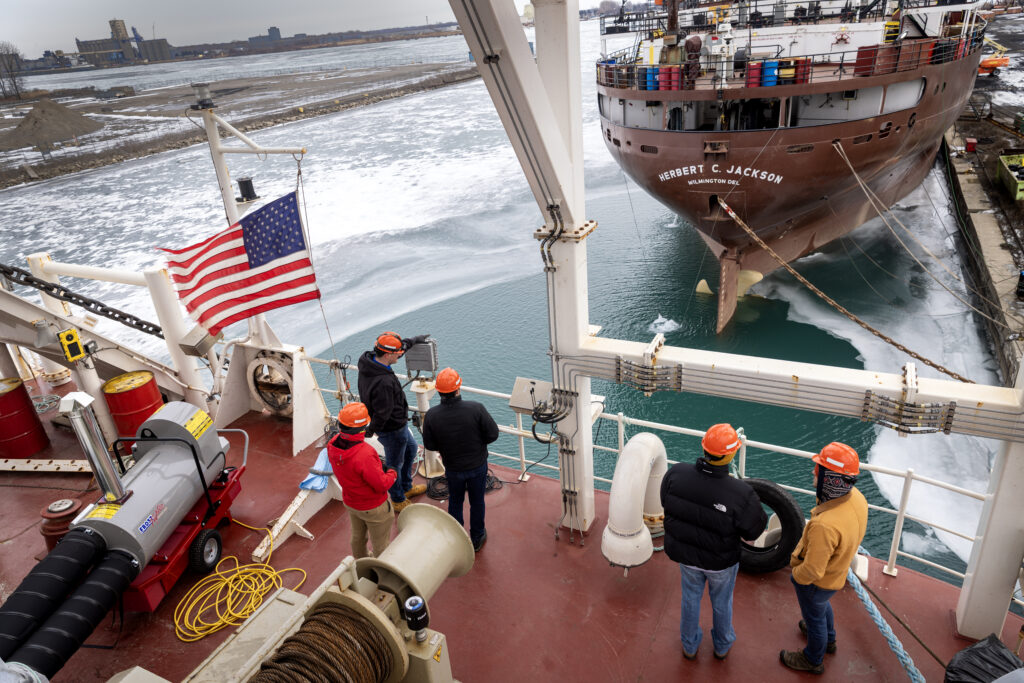
- China has 5,000 vessels to 300 for the U.S.
- 80 additional ships need to be built in the U.S. over the next 15 years
Technology
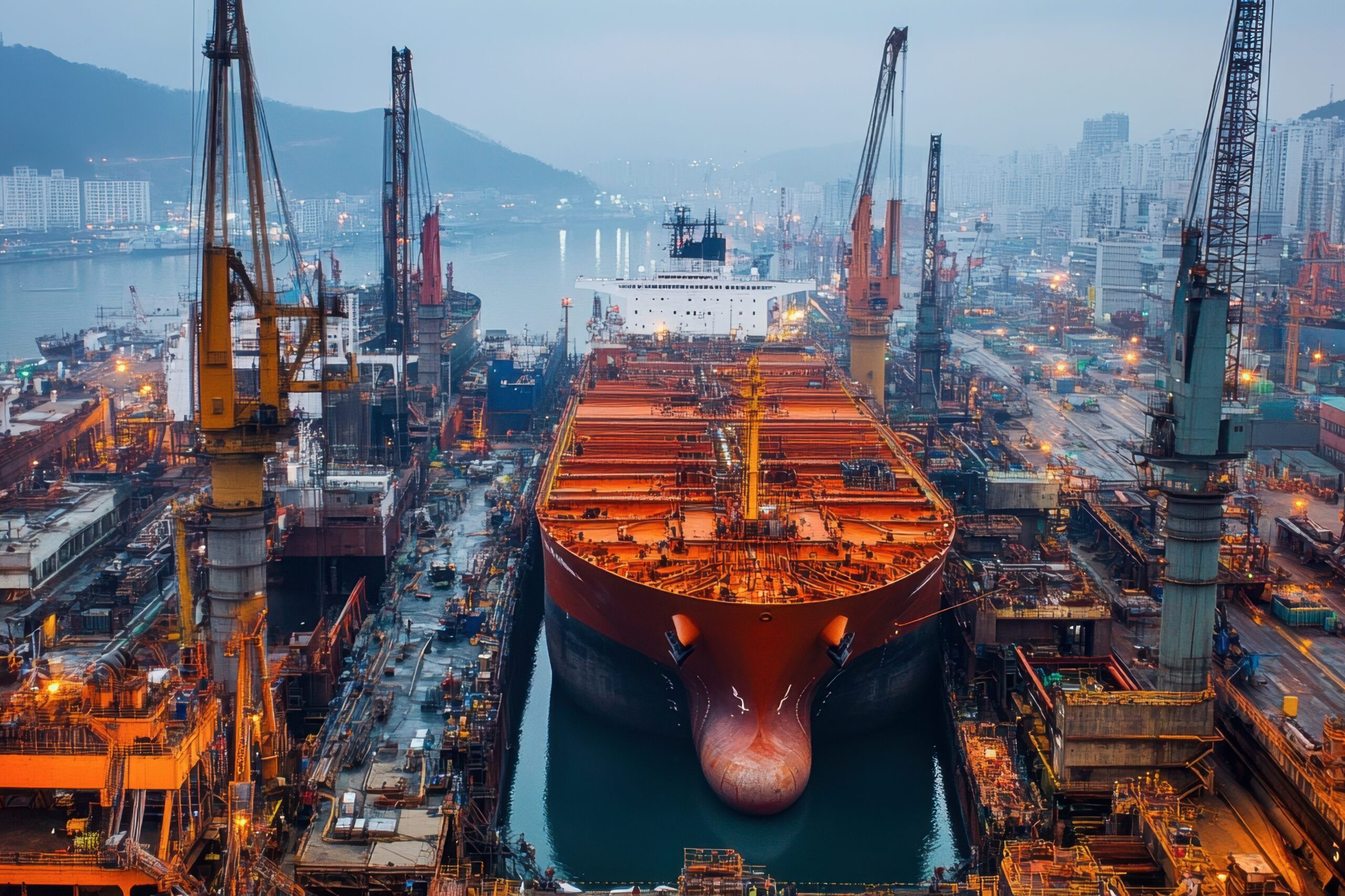
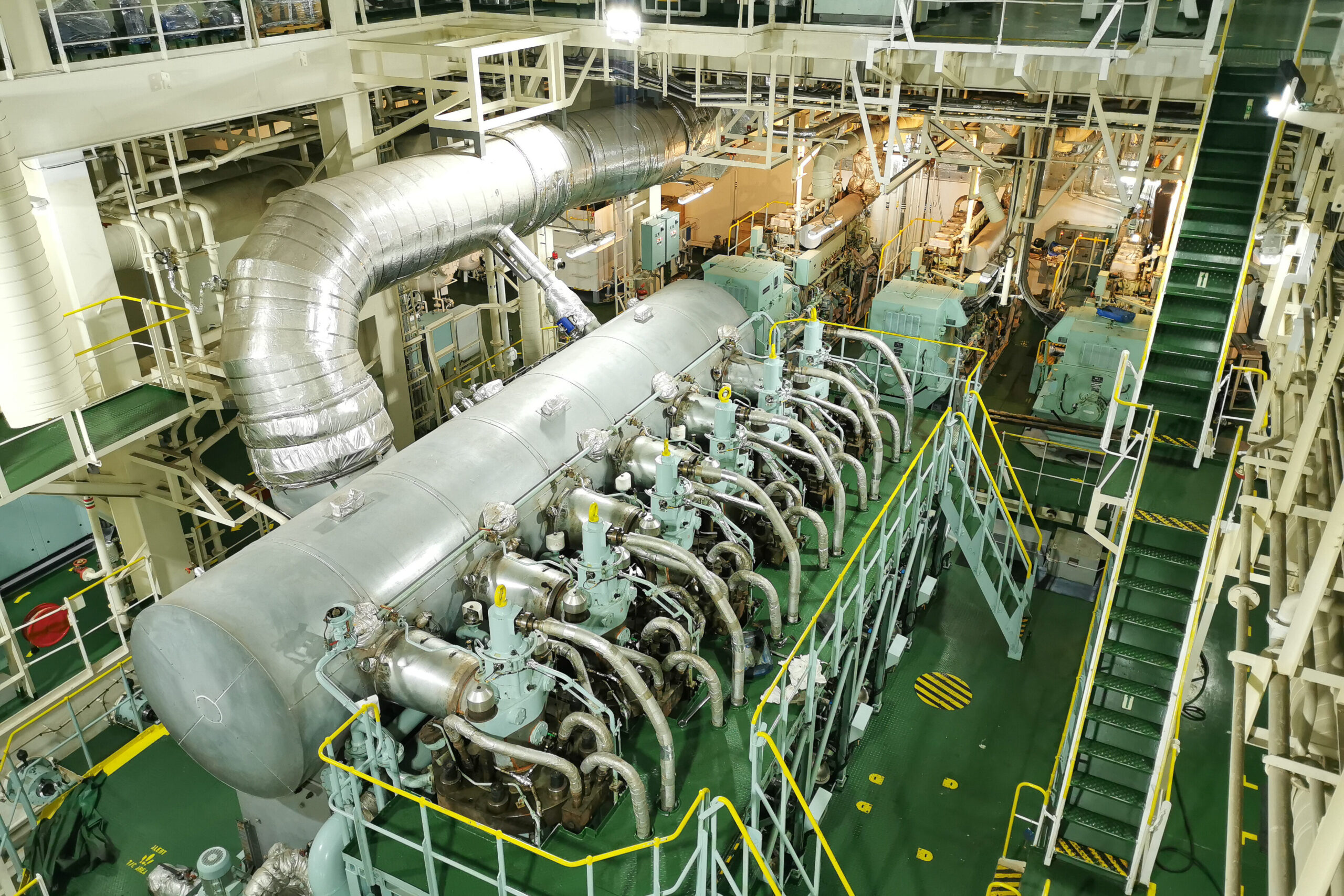
- 70-80% of the final value of a ship is derived from its supply chain
- The U.S. does not have major marine suppliers and mainly uses imported EU IP
Workforce
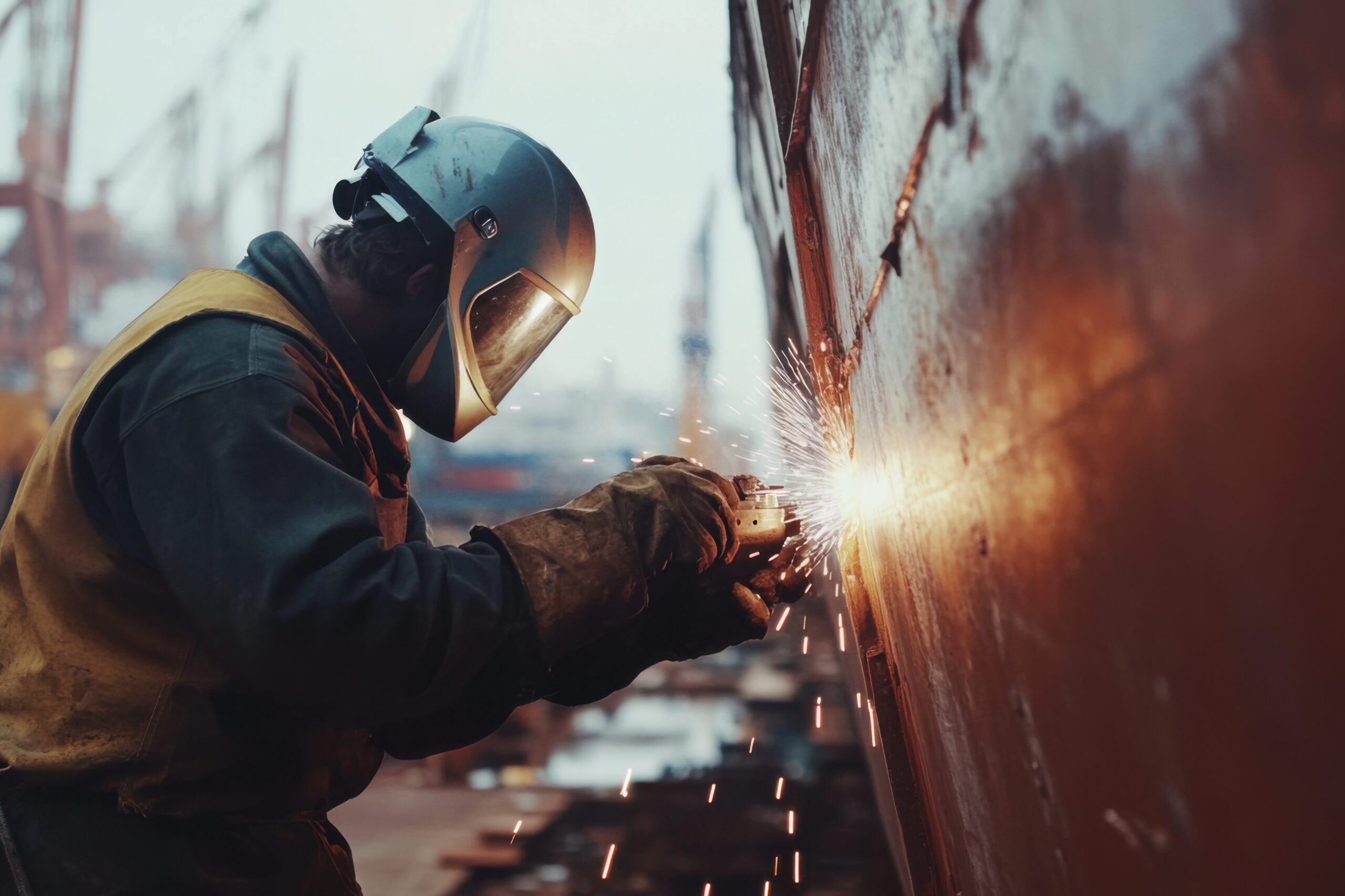
- The submarine industrial base needs to hire 100,000 skilled trades over the next 10 years
- The U.S. produces around 100 Naval Architects and Marine Engineers annually to Korea’s 2,000 and China’s 5,000
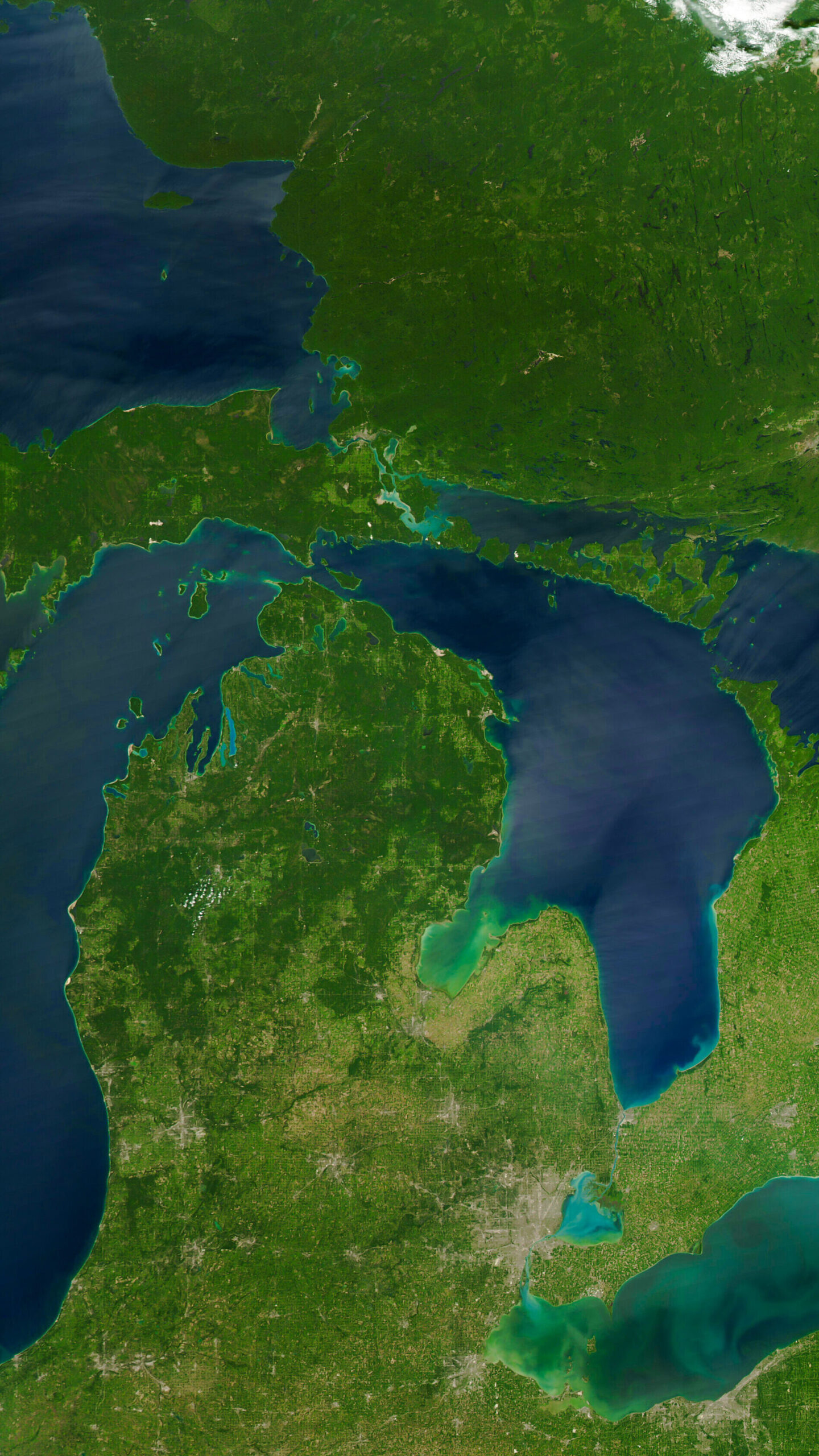
The Great Lakes states are uniquely capable
The Great Lakes Maritime Initiative leverages Great Lakes assets to drive America’s maritime resurgence and strengthen national security and global leadership
Water access and industrial base
The Great Lakes region has access to both the Atlantic and Gulf coasts as well as high concentrations of engineers and skilled trades driven by its robust manufacturing capabilities.
Leading universities and colleges
With large research universities and an extensive network of colleges, the region is known for its leadership in innovation and education including one-of-a-kind maritime fields.
Existing maritime initiatives
Ongoing maritime efforts from autonomous maritime technologies to maritime strategies to workforce development initiatives demonstrate that the region is already national leaders.
About the Great Lakes Maritime Initiative
The University of Michigan is leading the initiative that leverages Great Lakes assets to drive America’s maritime resurgence by identifying distinctive regional strengths, developing strategies and plans, and bringing together regional and national stakeholders to drive change and meaningful impact.
Strategic maritime policy analysis
Includes understanding international trade, energy and environmental regulations, and business and workforce policies.
Ship production and marine supply chain
Includes the marine supply chain, shipbuilding, and advanced manufacturing.
Marine technology development and integration
Includes digitalization, autonomy and AI, advanced nuclear reactors, artic operations, and energy storage and conversion.
Collaborative demonstration hub
Includes dedicated shore-based test beds, an on-water demonstration vessel, and ship demonstration networks.
Maritime education and workforce
Includes curriculum, professional development, and training for mariners, skilled trades and engineers.

Interested in partnering with us?
Strong partnerships provide expertise, execution capabilities, funding and ensure work remains relevant and impactful.
Meet the Directors

Thomas McKenney, Ph.D.
Associate Professor of Engineering Practice
Naval Architecture and Marine Engineering

Matthew Collette, Ph.D.
Professor
Naval Architecture and Marine Engineering