
Activities
Learn more about current activities
Ongoing projects and efforts that support the Initiative
PRADS 2025
PRADS (International Symposium on Practical Design of Ships and Other Floating Structures) is a traditional series of symposia, aiming at an international exchange of new knowledge and achievements with regard to the design, research and development of ships and other floating structures.
In continuation of the triennial meetings of previous PRADS conferences, the 16th symposium will be hosted in-person by the University of Michigan’s Naval Architecture and Marine Engineering Department in Ann Arbor, United States, from 19 to 23 October 2025. We have over 130 papers from Europe, Asia, and the Americas.
Michigan Maritime Strategy
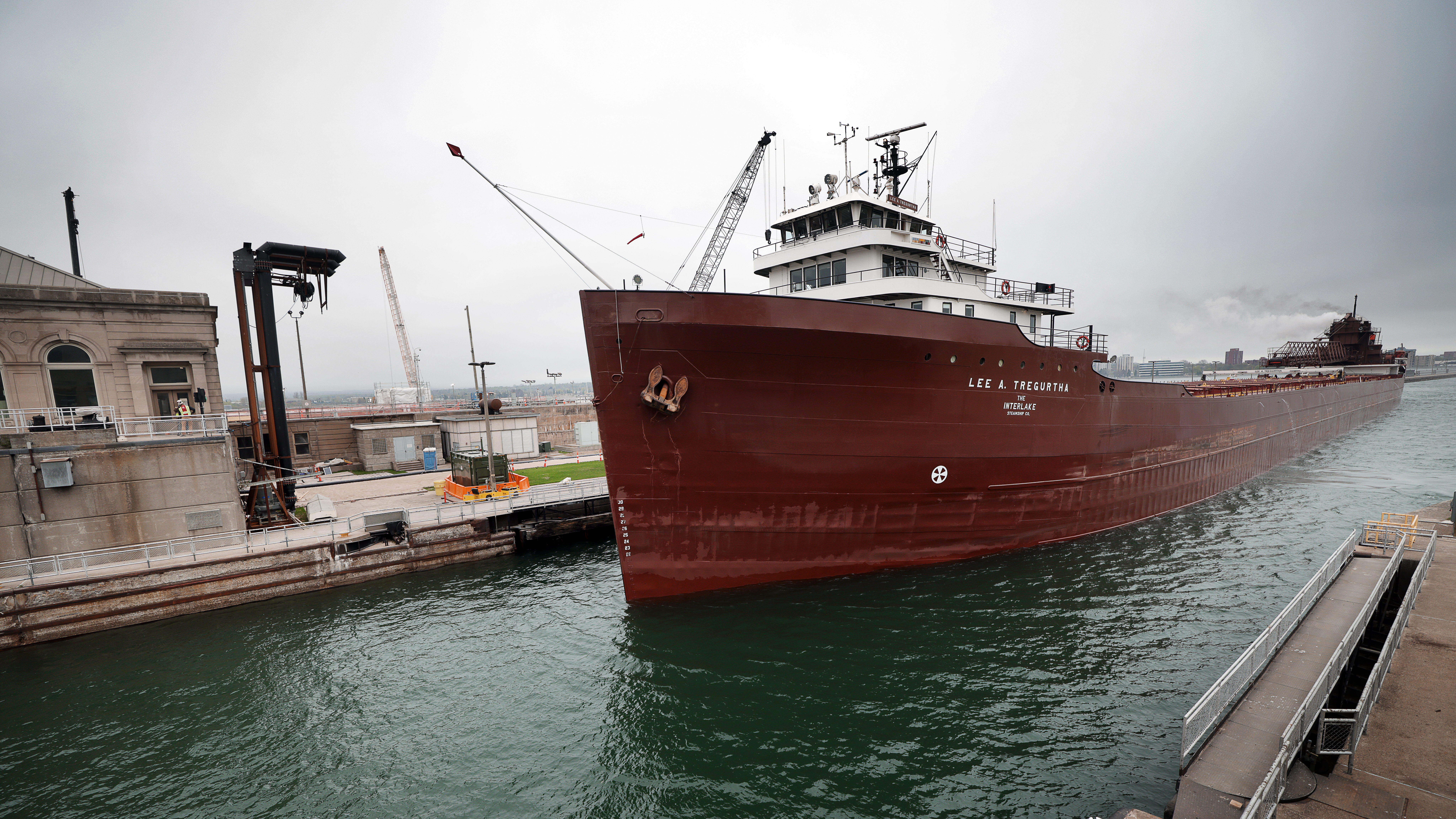
The Department of Naval Architecture & Marine Engineering at the University of Michigan with the Center for Sustainable Systems (CSS) is collaborating on the Michigan Maritime Strategy project. Led by Dr. Thomas McKenney, Associate Professor of Engineering Practice, this initiative has received a grant of nearly $200,000 from the Michigan Department of Environment, Great Lakes, and Energy (EGLE) to develop a comprehensive maritime strategy that drives the State’s robust blue economy and healthy Great Lakes ecosystem.
Bold Challenges Initiative: Revitalizing U.S. Commercial Shipbuilding
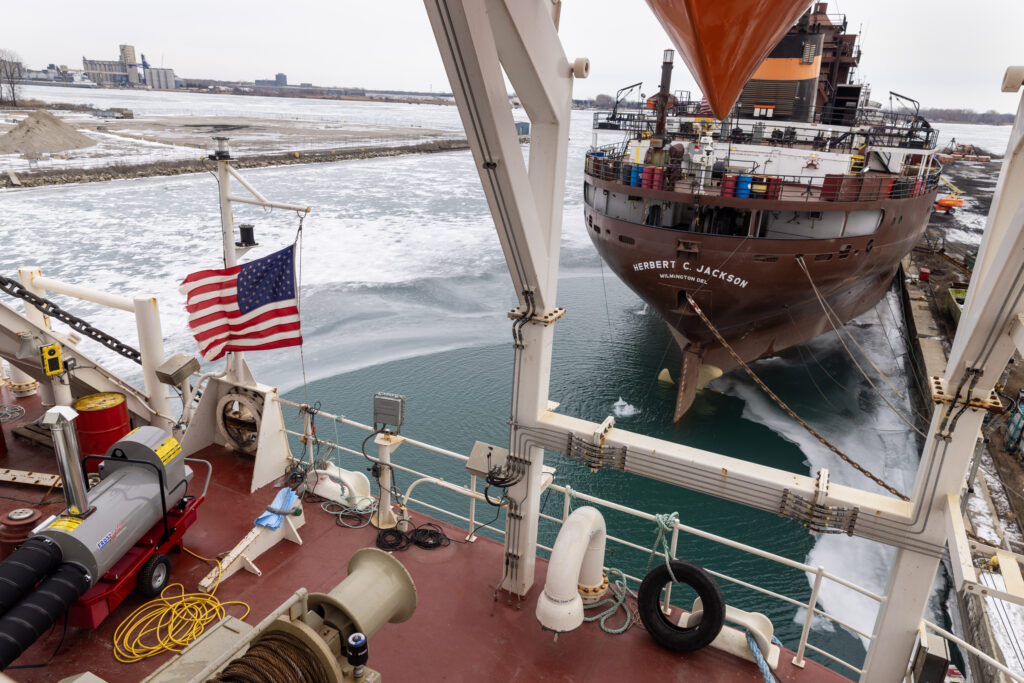
The University of Michigan’s Bold Challenges Initiative has awarded a Boost grant of $75,000 to an interdisciplinary team from the Department of Naval Architecture and Marine Engineering, the School of Public Policy, the Business School, and the School for Environment and Sustainability. The project will develop a scenario-based, techno-economic modeling framework to guide the revitalization of the U.S. commercial shipping fleet and shipbuilding industry. The work addresses urgent national questions about how to strategically invest in ship production, workforce development, and technology adoption to meet ambitious federal goals while ensuring sustainability, equity, and long-term competitiveness. By uniting expertise in engineering, business, policy, and environmental systems, the team will deliver actionable strategies that support fleet expansion, industry resilience, and U.S. leadership in advanced maritime technologies.
Detroit/Wayne County Port Authority Power Barge Feasibility and Planning
In partnership with the American Bureau of Shipping, this project studies the feasibility of deploying a zero-emission mobile power barge capable of delivering 5–10 megawatts of clean electricity from alternative technology and energy solutions to ships unloading at the Port of Detroit. The study will evaluate the technical and cost requirements for ship modifications, addressing the nearly 8,400 tons of carbon emissions produced annually by vessels using diesel or heavy fuel oil at the port’s 18 terminals. If successful, the concept could be expanded to other Great Lakes ports.
Korea-U.S. Shipbuilding Leaders Forum
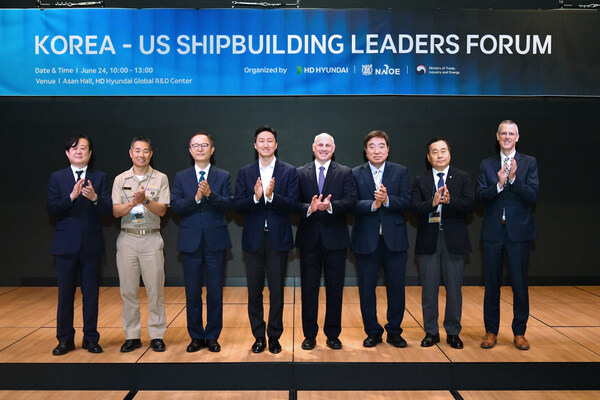
Building on a 2024 trilateral partnership MOU with HD Hyundai and Seoul National University, the Korea-U.S. Leaders Forum gathers experts from leading U.S. and Korean universities along with government and industry leaders to collaborate on shipbuilding education, research and workforce strategies. The first forum took place June 2025 in Korea with the second taking place October 2025 in Ann Arbor, Michigan.
ICE-SHIELD
The ICE-SHIELD initiative is an international research consortium dedicated to strengthening national capacity and technological leadership in ice and cold-climate engineering. By bring together top-tier institutions—including the University of Michigan (USA), Memorial University and the National Research Council (Canada), and Aalto University and VTT (Finland)—ICE-SHIELD fosters collaboration on cutting-edge research that drives technological innovation, efficiency, and advancements in ship design/production for ice-covered waters. ICE-SHIELD brings together world-class academic and government research institutions with industry partners to enhance national capabilities in ship design, sensing technologies, and advanced manufacturing. Through this strategic collaboration, the consortium plays a pivotal role in positioning the USA, Finland, and Canada as global leaders in next-generation marine and offshore technology.